 Luxury HotelsDirectoryBeach ResortsBoutiqueParisLondonNew YorkTokyoLuxury HotelsDirectoryBeach ResortsBoutiqueParisLondonNew YorkTokyo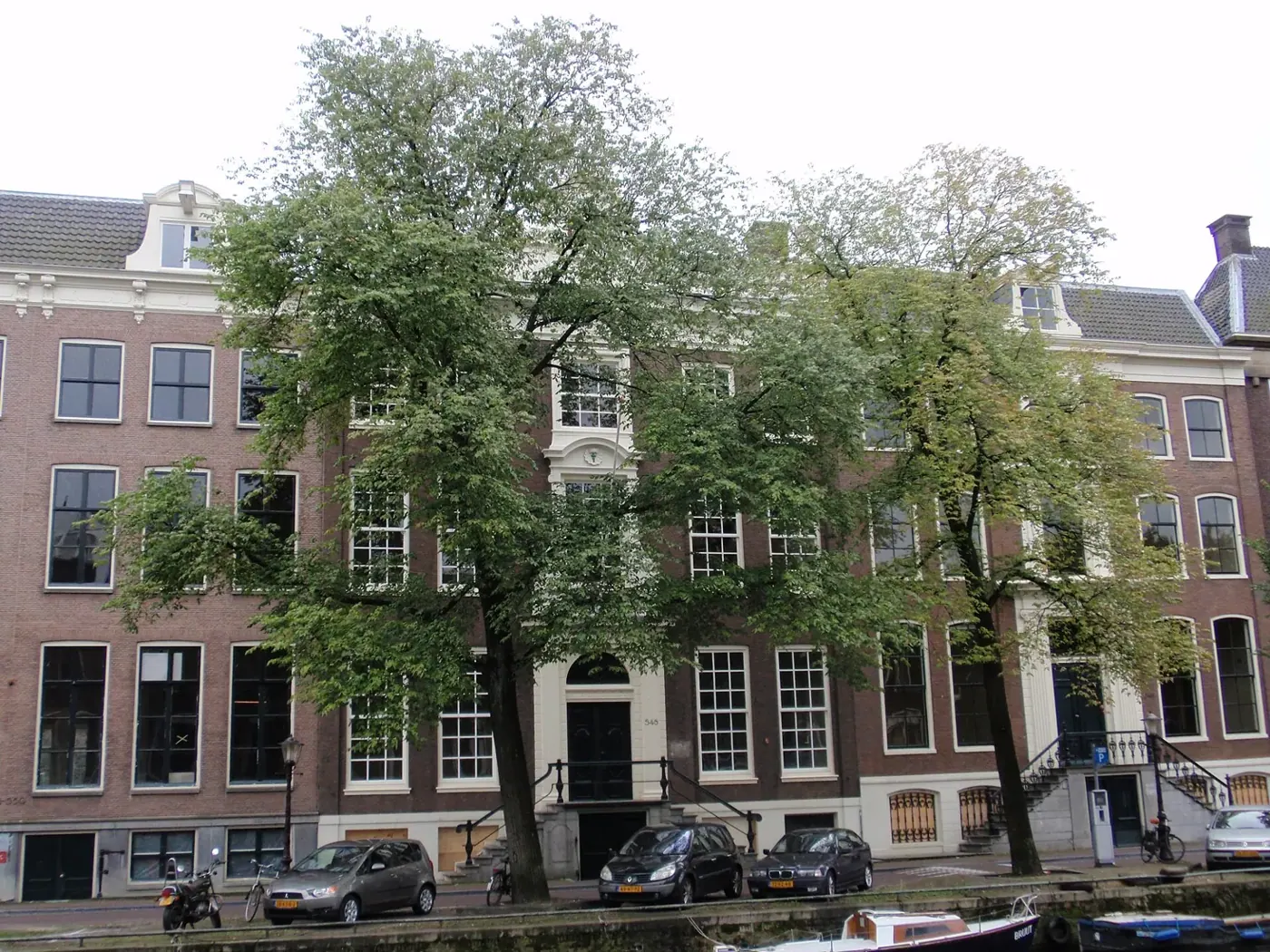
Waldorf Astoria Amsterdam sits on Herengracht, the Gentlemen's canal. The hotel occupies six monumental palaces built between 1665 and 1687, positioned between Utrechtsestraat and Reguliersgracht in the Grachtengordel district.
Check availability Official websiteHerengracht, known as the Gentlemen's canal, is on the UNESCO heritage protected Herengracht. The hotel's position on this waterway places it within one of Europe's most architecturally significant urban landscapes, defined by historic palaces and continuous water views.
The canal is lined with 17th and 18th-century facades, of which the Waldorf Astoria's six palace buildings are exemplary structures representing Amsterdam's mercantile heritage.
The hotel comprises six monumental double-front canal palaces spanning Herengracht numbers 542 to 556, with construction dates spanning the 17th and 18th centuries. Numbers 542 and 544 were built in 1687 under one roof; 546 was completed in 1672; 548, 550, and 552 date to 1665; 554 was built in 1666; and 556 was constructed in 1670.
The buildings housed members of Amsterdam's merchant and civic elite. Number 548 belonged to Cornelis Backer, a shipping figure; 550 was home to mayor Henry Hooft Gerritsz; and 552 housed Dirck van der Waeijen. In 1920, numbers 548 and 550 were combined and converted to offices. Number 556 hosted merchant James Loten in 1738 and later became a National Life Insurance branch in 1930, which oversaw its facade restoration.
The Grachtengordel district encompasses historic canals and represents a significant area of Amsterdam's urban landscape. The hotel's position between major thoroughfares Utrechtsestraat and Reguliersgracht places it within the district and within walking distance of Amsterdam's commercial and cultural areas.
The hotel is situated on Herengracht, the Gentlemen's canal.
The hotel occupies six monumental double-front palaces spanning Herengracht 542–556.
The palaces were built between 1665 and 1687.
Waldorf Astoria Amsterdam is in the Grachtengordel district, between Utrechtsestraat and Reguliersgracht.
The buildings housed Amsterdam's merchant and civic elite, including shipping figures, mayors, and notable residents during the 17th and 18th centuries.
Back to the Waldorf Astoria Amsterdam overview for photos, map, address and verification, or see the full guide above.
Sources: en.wikipedia.org
No prices or ratings: rates change daily. We may earn a commission from partner links.